















Brain Building Beats

A window of time for a lifetime of benefits

Build rhythm and listening skills through clapping, singing, and sound games—from first sounds to school years.

A brain built for more than music.

Following speech. Recognizing a voice. Hearing differences between words. These everyday skills begin with how the brain processes sound.

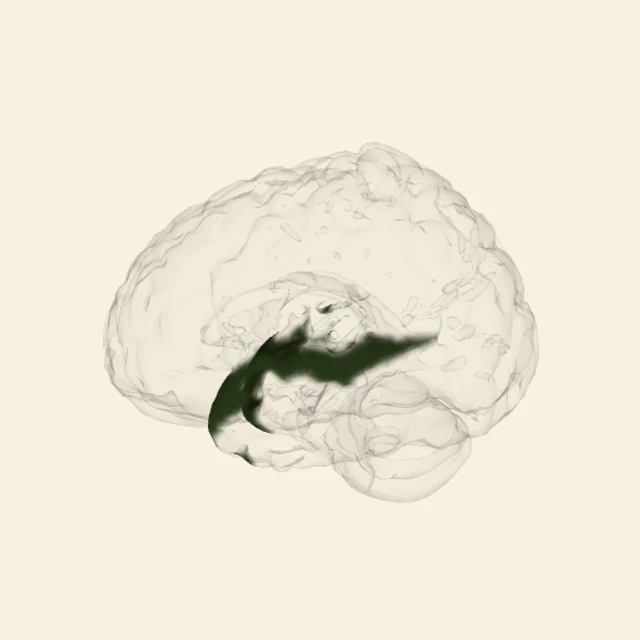
Brain structure and listening differences measured in adult musicians:

  1. 2.3

    more gray-matter volume in one auditory region

    The measured region helps process pitch and vocal tone.

    Schneider et al., 2002 ↗
  2. 2

    stronger early auditory response

    Schneider et al., 2002 ↗
  3. 6.6

    finer detection of pitch differences

    Measured in a laboratory listening task.

    Micheyl et al., 2006 ↗

Two skills to train.

02

Pitch Discrimination

Hear increasingly small differences between notes.

High and low → smaller differences → melodic changes

Explore the pitch pathway →

From first sounds to school years.

  1. 4-5 years: Speech contrasts sharpen

    Six months of piano training improved consonant discrimination and neural sound processing in 4-5-year-olds.

    Rhythm

    Keep a steady pulse, then try tapping between your beats.

    Try timing training →

    Pitch

    Bring two pitches closer. Ask which note changed.

    Try pitch training →

    Evidence Nan et al. (2018)

  2. 5-6 years: Practice changes the system

    Research following children from around age six found auditory and motor changes after 15 months of lessons.

    Rhythm

    Keep the pulse while adding offbeat accents and pauses.

    Try timing training →

    Pitch

    Sing a short numbered melody, then change one note.

    Try pitch training →

    Evidence Hyde et al. (2009)

  3. 6-7 years: Rhythm supports reading

    In a small study, rhythmic games and letter-based training produced similarly large literacy gains.

    Rhythm

    Try syncopated patterns at different speeds, gradually fading the guide.

    Try timing training →

    Pitch

    Sing numbered melodies in different keys. Explore the chords beneath them.

    Try pitch training →

    Evidence Bhide et al. (2013)

Small beginnings. A lasting trace.

40+

years after lessons stopped

Adults ages 55-76 who had played music for 4-14 years earlier in life showed faster neural timing to speech than peers with no training.

White-Schwoch et al. (2013)

Reading begins in the ear.

Before reading words, children learn to hear syllables, rhymes, and speech sounds. Some structured music programs have improved this phonological awareness in small trials.

Gordon et al. (2015) meta-analysis

Choose your first activity.

Start from the parent dashboard to save completed rounds to your child’s practice history.

Free guide for caregivers and educators

The activities, organized by age.

Nine age bands
prenatal listening through ages 6-7
Two musical pathways
beat timing and pitch discrimination
Everyday practice
voice, movement, and household objects
Research you can explore
primary sources beside each age band
Download the free PDF 14 pages · opens without signup

We only use your address to deliver this guide. Privacy

Before your first beat

What ages is Brain Building Beats for?

Our guides cover prenatal listening through age seven. Babies’ activities are led by grown-ups off-screen; interactive games are for children ready to tap, choose sounds, or hum with help.

Do we need an instrument or a musical background?

No. Start with your voice, clapping, or the on-screen drum. Each game includes instructions and lets you hear sounds again.

Can we play without a microphone?

Yes. Hear the Difference, Between the Beats, Copy the Beat, Chord Recognition, and Melody Paths work without one. Microphone access is optional for Pitch Matching.

How do parents track practice?

Create a parent account, add a child profile, and start an activity from the dashboard. Completed rounds appear in that child’s practice history.